 Loading... Please wait...


Categories
Shop by Price
 Newest Listings - see Categories on left for Complete Inventory
-
 $29,000.00
 -
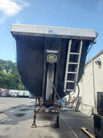 $20,000.00
 -
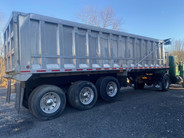 $29,000.00
 -
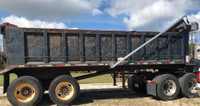 $17,000.00
 -
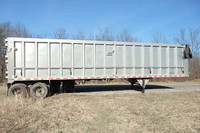 $38,000.00

Dump Trailers
Dump Trailers
Dump trailers do one job that many job sites depend on: they move heavy materials and unload them quickly. Built for hauling debris, gravel, and materials, these trailers come in configurations designed for reliable loading and unloading. From small landscaping projects to large construction sites, the right model makes a real difference in how efficiently you work.
What Are Dump Trailers Used For?
Dump trailers earn their keep across several industries. On construction sites, they haul gravel, soil, scrap, and construction debris from one place to another. Landscaping crews use them for jobs that involve moving material, and commercial operations rely on them for hauling heavy equipment, cargo, and debris. The variety of available sizes means these trailers can handle work that ranges from small-scale landscaping to large construction sites.
Types of Dump Trailers
Dump trailers are not a one-size-fits-all purchase. They come in different frame styles, duty ratings, and bed configurations, so buyers can match the trailer to the work they do most often.
Bumper Pull and Gooseneck Styles
Bumper pull dump trailers connect to a hitch at the rear of the towing vehicle, and TrailersPlus highlights them as a strong option for hauling heavy equipment, cargo, or debris. Gooseneck dump trailers mount to a coupling in the bed of a pickup truck. Kaufman offers gooseneck configurations in its lineup, and MAXX-D builds both bumper pull and gooseneck models for different hauling needs.
Light, Medium, and Heavy Duty Ratings
Manufacturers classify dump trailers by how much work they are built to handle. Kaufman offers dump trailers in light, medium, and heavy duty configurations, letting buyers choose a trailer that fits the loads they carry regularly. Light duty models suit lighter tasks, while medium and heavy duty trailers add strength for demanding commercial use.
Low-Profile and Deckover Configurations
The bed style affects how easily you can load and unload materials. MAXX-D uses low-profile decks on some models for easier loading. Deckover trailers carry the bed above the wheels, which allows for a wider loading surface. All Pro Trailer Superstore carries both low-profile and deckover dump trailer types in its inventory.
Choosing the Right Dump Trailer Size
Length is one of the first specifications buyers compare. Dump trailer lengths commonly range from 10 to 20 feet, giving buyers a wide range of choice based on the volume of material they need to haul. Shorter trailers are easier to maneuver and store, while longer models carry more material per trip and can reduce the number of loads needed on bigger jobs.
Construction and Design Features That Matter
A dump trailer is only as dependable as its build quality. MAXX-D dump trailers include reinforced sides, low-profile decks for easier loading, and heavy-duty hydraulic systems for smooth, reliable operation. The hydraulic system does the hard work when it is time to tilt the bed and release the load, so a quality system is central to the trailer's performance.
Dump Trailer Brands and Dealers to Know
Several brands appear across dealership inventories, including Big Tex, PJ, Triple Crown, MAXX-D, and Kaufman. Right Trailers serves customers nationwide with dump trailers from Big Tex, PJ, Triple Crown, and other trusted brands. Regional dealers also carry multiple lines, such as Trailer World in Bowling Green, Kentucky, which stocks Dura-Haul, Quality Steel, and Sure-Trac trailers, and Belmont Trailers near Lancaster, Pennsylvania, which offers a Hydraulic Dump series.
Buying New or Used Dump Trailers
Buyers who want dependable equipment at a lower price often shop the used market. Ironmartonline is a web-based marketplace that connects buyers and sellers of used heavy equipment, trucks, and machinery, giving you access to dump trailers across multiple brands without limiting yourself to a single dealer. Sellers benefit from a broad audience of potential buyers and a listing process without contracts or hidden fees.
Frequently Asked Questions
What is the difference between a bumper pull and a gooseneck dump trailer?
A bumper pull trailer attaches to a hitch on the rear of the towing vehicle, making it quick to connect and disconnect. A gooseneck trailer connects to a coupling in the truck bed, which places more of the load's weight over the truck's rear axle. Buyers often choose goosenecks for heavier loads because of that weight distribution.
How long can a dump trailer be?
Dump trailer lengths commonly range from 10 to 20 feet depending on the manufacturer and model. Shorter trailers work well for landscaping and lighter hauling, while longer trailers carry larger volumes of gravel, soil, or debris for major construction projects. The right length depends on the size of your truck and the loads you plan to move.
What materials can a dump trailer haul?
Dump trailers are designed for loose materials such as gravel, soil, scrap, and construction debris. Many models also handle heavy equipment and general cargo. Reinforced sides keep materials contained during transit, and the hydraulic lift system tilts the bed so the load empties quickly and with more control when you reach the dump site.